


Premium Custom Shadow Box Picture Frames

Aluminum Frame

Display your 3D memorabilia safely with our deep, museum-quality frames.
Detail
Parameter

Detail

How to Choose the Right Shadow Box Picture Frame (Before You Ruin Your Memorabilia)

Last month, a customer brought a shattered frame into my shop. He had tried to force a signed, 2.5-inch thick baseball into a frame with only 1 inch of internal clearance. The result? Broken glass over a very expensive piece of sports history. If you want to display 3D objects—whether it's your grandfather's war medals, dried wedding bouquet, or baby shoes—a standard frame just won't cut it. You need a proper shadow box picture frame.

After packing and shipping hundreds of these deep frames, I've seen exactly where people go wrong. Buying the wrong depth or the wrong backing material can turn a weekend DIY project into a frustrating mess. Let's walk through how to measure your items correctly and pick a frame that actually works for your specific keepsake.

A metal ruler measuring the internal depth of a black shadow box picture frame next to a folded flag.
Always measure the thickest part of your object before looking at frame dimensions.

The Depth Dilemma: Usable vs. External Dimensions

The single most common mistake I see is confusing a frame's external depth with its usable internal depth. A manufacturer might list a frame as "2 inches deep." But once you account for the backing board, the glass, and the space needed for the mounting pins, your actual usable space might only be 1.25 inches.

Think of it like buying a suitcase. The outside dimensions tell you if it fits in the overhead bin, but the inside dimensions dictate if your bulky winter coat will actually zip inside.

The Golden Rule of Shadow Boxes: Always add at least 1/4 inch of clearance between the front of your object and the glass. If your object touches the glass, moisture can build up and cause permanent damage, especially to paper or fabric.

Material Matters: The Glass Shadow Box Picture Frame Trade-off

When you are framing heavy or valuable items, the front cover material is crucial. A traditional glass shadow box picture frame feels premium and resists scratching when you clean it. But there is a massive downside: weight. A 16x20 inch glass frame can easily weigh over 8 pounds before you even put anything inside it. If you hang that on drywall without finding a stud, it's coming down.

If you are framing something large, or if the frame will hang in a child's room, I strongly recommend switching to an acrylic front. It cuts the weight in half. (Just remember to use a microfiber cloth to clean it, as paper towels will leave micro-scratches on acrylic.)

You also need to consider the backing. If you plan to pin heavy items like military medals, you need a frame with a cork or dense foam backing. A thin cardboard back will just tear under the weight.

A vintage shadow box picture frame with a gold finish displaying antique pocket watches on a velvet backing.
A sturdy fabric-covered backing board is essential for holding heavy metal objects securely in place.

Styling Your Display: Vintage, Gold, and Shapes

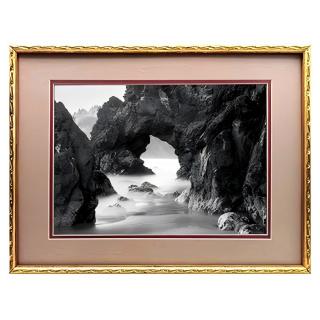
The style of the frame should match the era and vibe of what you are putting inside. Last week, a woman wanted to frame her grandmother's 1950s lace gloves. Putting them in a sleek, modern black box looked entirely out of place. We swapped it for a vintage shadow box picture frame with an ornate edge, and it instantly looked like a museum piece.

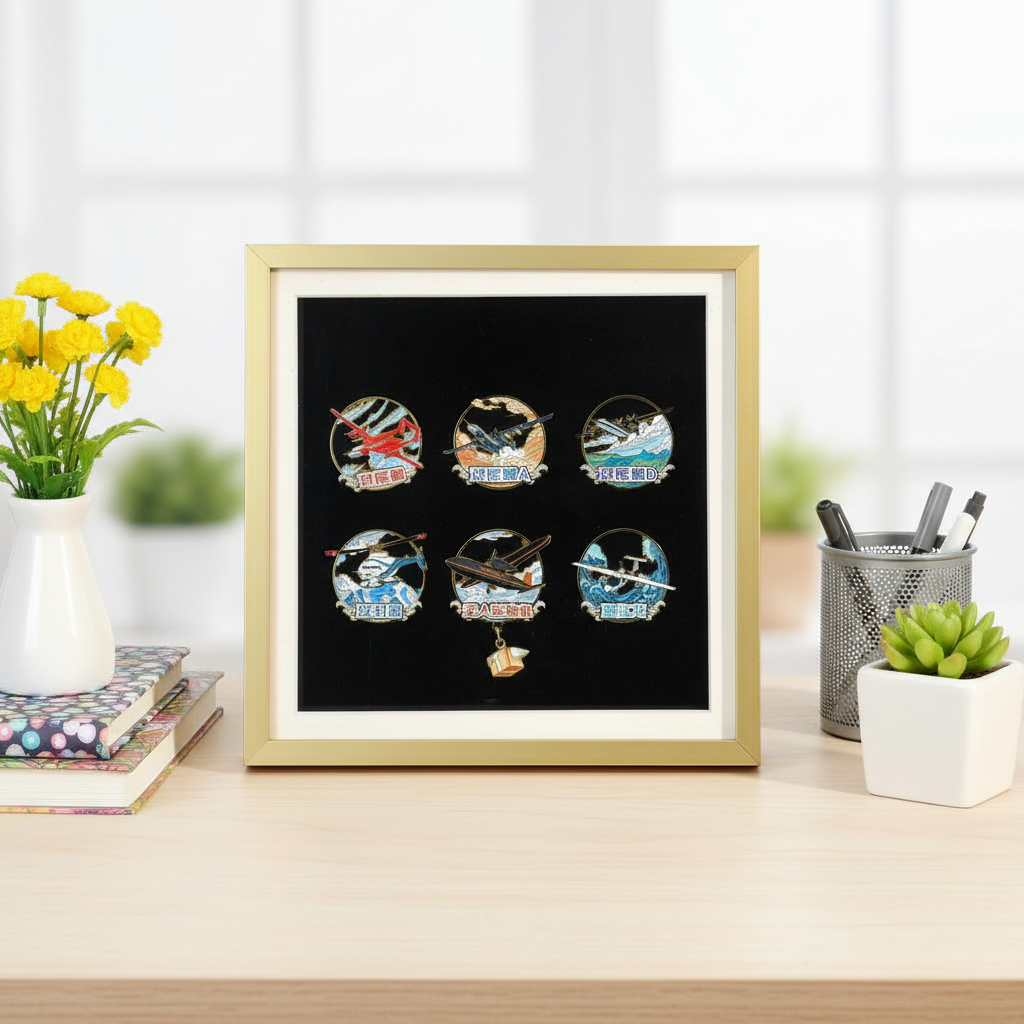
Similarly, a gold shadow box picture frame works incredibly well for wedding memorabilia or anything with warm tones. The gold finish reflects light back into the box, which helps illuminate darker objects that might otherwise get lost in the shadows.

Don't forget about the shape. While rectangles are standard, a square shadow box picture frame (like a 12x12 or 10x10) is excellent for creating symmetrical gallery walls. A grid of four square frames looks much cleaner than trying to align various rectangular sizes.

Your 4-Step Mounting Checklist

Before you start poking holes in your backing board, follow these steps to ensure your items stay put:

  1. Map it out first: Cut a piece of paper to the exact internal size of your frame. Arrange your items on the paper before you commit to pinning them.
  2. Use the right pins: Never use standard sewing needles. Use stainless steel dressmaker pins. They won't rust over time and ruin your fabric.
  3. Avoid liquid glue: Liquid glue will seep through fabric and paper, leaving dark, permanent stains. If you must use adhesive, use acid-free double-sided tape or specialized framing dots.
  4. Check the weight distribution: If you are mounting a heavy object (like a horseshoe), support it from the bottom with a small L-bracket, rather than relying solely on pins at the top.
Four square shadow box picture frames arranged in a grid on a living room wall, displaying dried botanical specimens.
Using a grid of square frames is an easy way to fill a large empty wall space cohesively.

Frequently Asked Questions

How do I keep items from falling down inside the frame?

Gravity is your enemy here. For fabric or clothing, use stainless steel pins hidden in the seams. For heavier solid objects, you may need to use clear monofilament (fishing line) sewn through the backing board to tie the item securely in place.

Can I put photos in a shadow box?

Yes, but you shouldn't just drop a loose photo inside. You need to mount the photo to a rigid piece of mat board or foam core first. Otherwise, the humidity changes in the room will cause the photo paper to warp and curl over time. You can learn more about how to properly mat photos here.

What is the best way to clean the inside of the glass?

Before you seal the back, blow out any dust with a can of compressed air. Then, clean the inside of the glass using a 50/50 mix of rubbing alcohol and water. Avoid standard glass cleaners with ammonia, as the fumes can get trapped inside and degrade your items.

Ready to start your framing project?

If you have your measurements ready and know exactly how much depth you need, browse our collection of deep display frames to find the exact size and finish for your project.


Parameter


How to Choose the Right Shadow Box Picture Frame (Before You Ruin Your Memorabilia)

Last month, a customer brought a shattered frame into my shop. He had tried to force a signed, 2.5-inch thick baseball into a frame with only 1 inch of internal clearance. The result? Broken glass over a very expensive piece of sports history. If you want to display 3D objects—whether it's your grandfather's war medals, dried wedding bouquet, or baby shoes—a standard frame just won't cut it. You need a proper shadow box picture frame.

After packing and shipping hundreds of these deep frames, I've seen exactly where people go wrong. Buying the wrong depth or the wrong backing material can turn a weekend DIY project into a frustrating mess. Let's walk through how to measure your items correctly and pick a frame that actually works for your specific keepsake.

A metal ruler measuring the internal depth of a black shadow box picture frame next to a folded flag.
Always measure the thickest part of your object before looking at frame dimensions.

The Depth Dilemma: Usable vs. External Dimensions

The single most common mistake I see is confusing a frame's external depth with its usable internal depth. A manufacturer might list a frame as "2 inches deep." But once you account for the backing board, the glass, and the space needed for the mounting pins, your actual usable space might only be 1.25 inches.

Think of it like buying a suitcase. The outside dimensions tell you if it fits in the overhead bin, but the inside dimensions dictate if your bulky winter coat will actually zip inside.

The Golden Rule of Shadow Boxes: Always add at least 1/4 inch of clearance between the front of your object and the glass. If your object touches the glass, moisture can build up and cause permanent damage, especially to paper or fabric.

Material Matters: The Glass Shadow Box Picture Frame Trade-off

When you are framing heavy or valuable items, the front cover material is crucial. A traditional glass shadow box picture frame feels premium and resists scratching when you clean it. But there is a massive downside: weight. A 16x20 inch glass frame can easily weigh over 8 pounds before you even put anything inside it. If you hang that on drywall without finding a stud, it's coming down.

If you are framing something large, or if the frame will hang in a child's room, I strongly recommend switching to an acrylic front. It cuts the weight in half. (Just remember to use a microfiber cloth to clean it, as paper towels will leave micro-scratches on acrylic.)

You also need to consider the backing. If you plan to pin heavy items like military medals, you need a frame with a cork or dense foam backing. A thin cardboard back will just tear under the weight.

A vintage shadow box picture frame with a gold finish displaying antique pocket watches on a velvet backing.
A sturdy fabric-covered backing board is essential for holding heavy metal objects securely in place.

Styling Your Display: Vintage, Gold, and Shapes

The style of the frame should match the era and vibe of what you are putting inside. Last week, a woman wanted to frame her grandmother's 1950s lace gloves. Putting them in a sleek, modern black box looked entirely out of place. We swapped it for a vintage shadow box picture frame with an ornate edge, and it instantly looked like a museum piece.

Similarly, a gold shadow box picture frame works incredibly well for wedding memorabilia or anything with warm tones. The gold finish reflects light back into the box, which helps illuminate darker objects that might otherwise get lost in the shadows.

Don't forget about the shape. While rectangles are standard, a square shadow box picture frame (like a 12x12 or 10x10) is excellent for creating symmetrical gallery walls. A grid of four square frames looks much cleaner than trying to align various rectangular sizes.

Your 4-Step Mounting Checklist

Before you start poking holes in your backing board, follow these steps to ensure your items stay put:

  1. Map it out first: Cut a piece of paper to the exact internal size of your frame. Arrange your items on the paper before you commit to pinning them.
  2. Use the right pins: Never use standard sewing needles. Use stainless steel dressmaker pins. They won't rust over time and ruin your fabric.
  3. Avoid liquid glue: Liquid glue will seep through fabric and paper, leaving dark, permanent stains. If you must use adhesive, use acid-free double-sided tape or specialized framing dots.
  4. Check the weight distribution: If you are mounting a heavy object (like a horseshoe), support it from the bottom with a small L-bracket, rather than relying solely on pins at the top.
Four square shadow box picture frames arranged in a grid on a living room wall, displaying dried botanical specimens.
Using a grid of square frames is an easy way to fill a large empty wall space cohesively.

Frequently Asked Questions

How do I keep items from falling down inside the frame?

Gravity is your enemy here. For fabric or clothing, use stainless steel pins hidden in the seams. For heavier solid objects, you may need to use clear monofilament (fishing line) sewn through the backing board to tie the item securely in place.

Can I put photos in a shadow box?

Yes, but you shouldn't just drop a loose photo inside. You need to mount the photo to a rigid piece of mat board or foam core first. Otherwise, the humidity changes in the room will cause the photo paper to warp and curl over time. You can learn more about how to properly mat photos here.

What is the best way to clean the inside of the glass?

Before you seal the back, blow out any dust with a can of compressed air. Then, clean the inside of the glass using a 50/50 mix of rubbing alcohol and water. Avoid standard glass cleaners with ammonia, as the fumes can get trapped inside and degrade your items.

Ready to start your framing project?

If you have your measurements ready and know exactly how much depth you need, browse our collection of deep display frames to find the exact size and finish for your project.

Related Searches

Message Inquiry

*
*
*
*
*
Submit